Organic shea butter 1 kg: the base for homemade cosmetics
Neutral in scent and rich in texture, organic shea butter is a staple for anyone who makes their own skin care. Two simple recipes and the hygiene rules to follow.
Contents
Making your own skin care means choosing every ingredient, adjusting texture and scent to your taste, and often cutting down on packaging. One fat turns up in almost every recipe: shea butter. It gives balms their hold, body butters their creaminess, and it gets on with most plant oils. If you use it often, the large size makes sense.
A well-described base ingredient
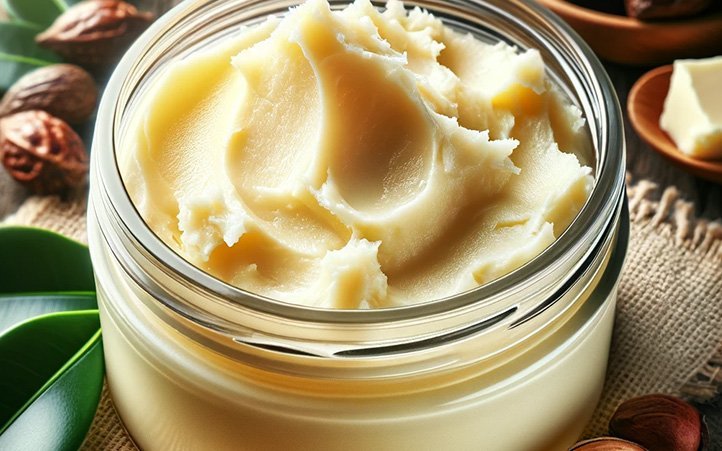
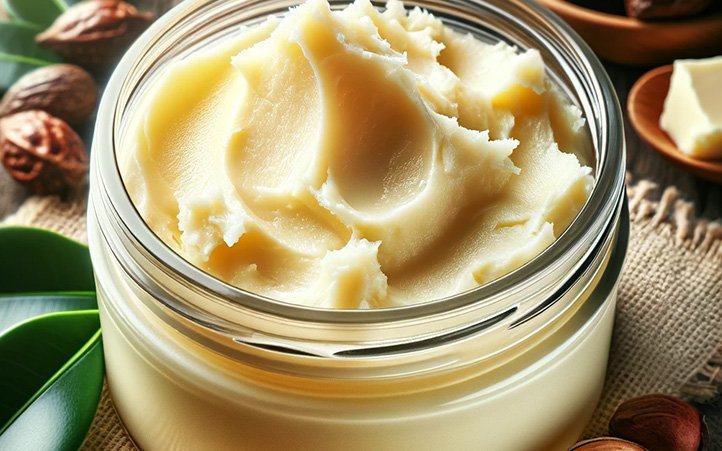
According to the product sheet, our organic shea butter is made from the nuts of the shea tree, native to West Africa. It is deodorised, which makes it a neutral base that does not mask the scent of other ingredients. The sheet states that it can be used on its own or added to your DIY preparations for body and hair, and that it suits all skin and hair types, particularly dry skin and textured hair.
Solid at room temperature, it melts with the warmth of your hand. That dual nature is what makes it so practical to work with: it gives a preparation structure while staying pleasant to spread.
Two simple preparations
Whipped body butter
- Melt the shea butter gently in a bain-marie over low heat, without heating it for long.
- Off the heat, add a liquid plant oil of your choice: roughly two thirds shea to one third oil gives a soft texture.
- Chill in the fridge until the mixture starts to set around the edges.
- Whip for a few minutes with a hand mixer: it turns paler and fluffy.
- Spoon into a clean, dry jar, close it and label it with the date.
A firmer balm
For a solid balm in a small pot or stick, a wax (beeswax or plant wax) is usually added to the shea and oil. The more wax, the firmer the balm. Start with small batches until you find the texture you like.
Precautions
Good habits for homemade cosmetics. Work on a clean surface with washed, thoroughly dried utensils kept for this purpose only. Heat gently: shea that is melted for too long or cooled too slowly can turn grainy. Water-free preparations keep better than creams, but note the date and trust your nose and eyes. If you add essential oils, ask for advice on amounts and precautions, especially for children and during pregnancy. Test every new preparation on the inside of the elbow first. External use only; keep out of the reach of children.
Our products
- Organic shea butter, 1 kg: the workshop size, for several recipes or jars to give away.
- Organic shea butter, 500 g: a good middle ground to start making your own.
- Organic shea butter, 250 ml: for a first try or everyday use on its own.
Before you start, read the documentation tab of the product you choose.
Over to you
Shea is forgiving: even a first batch that turns out a little too firm or too soft is still usable, and you adjust next time. To choose the plant oil to pair it with, or for a recipe idea suited to your skin, the team at Droguerie Perusset in Yverdon-les-Bains will be glad to help in store.
Products mentioned in this article
The information in this article comes from the documentation of these products. Check it before use.
Related Articles
Bionaturis potato balm: care for very dry hands and feet
A tuber in a skincare pot? Bionaturis potato balm, made in Switzerland, cares f…
Organic shea butter 250 ml: a simple fix for dry areas
Some parts of the body need more attention than others. Pure, deodorised organi…
Organic shea butter 500 g: rich body care for the winter
When dry air and heating leave your skin feeling tight, a rich body care step a…
Comments (0)
Leave a Comment
No comments yet. Be the first to share your thoughts!