Thyme thymol essential oil: a powerful scent to dilute well
The most intense of the thymes: the thymol chemotype belongs to the phenol family and is only used highly diluted. Scent, uses around the home and essential precautions.
Contents
Open a bottle of thyme thymol and you will soon see why it is called powerful: its scent fills the room in an instant. This is thyme at its most direct, the kind that recalls southern hillsides in midsummer and old-fashioned herbal soaps. An oil with character that calls for method.
What is thyme thymol?
It comes from common thyme, Thymus vulgaris, a small shrub of Mediterranean scrubland in the Lamiaceae family. Because this species produces several chemotypes depending on where it grows, the dominant molecule is stated on the label: here thymol, which also gives kitchen thyme much of its typical smell.
Thymol belongs to the phenol chemical family. This is a family to handle with great respect: oils rich in phenols are known to irritate the skin and mucous membranes when not diluted enough. Our guide to essential oil families explains what sets phenols apart from other families, such as the alcohols to which thyme linalool belongs.
According to the product sheet, our thyme thymol oil has an intense, herbal scent. The organic version in a 10 ml bottle is described as "powerful"; it also comes in a 5 ml bottle.
How to use it
Our druggist sums it up in two words: highly diluted. Thyme thymol is linked to a tradition of household hygiene, and the home is where it fits most naturally.
- To scent cleaning water: add two or three drops to a bucket of warm water with your usual cleaning product, for a clear herbal note in the kitchen or bathroom. Wear gloves.
- In a diffuser: use it only as a small part of a blend, one drop at most, with gentler oils such as citrus. Diffuse briefly, then air the room, with no children or pets present.
- On the skin: this is not the preferred use. If you are considering it, ask for advice at the drugstore first about the dilution, which must stay very low.
Precautions
An oil to handle with method. Never undiluted on the skin, never swallowed. Keep it away from the eyes and mucous membranes; in case of contact, rinse with vegetable oil and seek advice if discomfort persists. Not recommended for children; ask for advice during pregnancy or breastfeeding and if you are receiving medical treatment. Always check the chemotype before buying: thyme thymol does not replace thyme linalool. Keep the bottle closed, away from light and out of the reach of children.
Our products
- Organic thyme thymol essential oil, 10 ml – described as powerful on its sheet.
- Organic thyme thymol essential oil, 5 ml – the small size, often enough given the tiny amounts used.
- Thyme thymol essential oil – intense, herbal scent.
Check the documentation tab on each product page before buying.
Our advice
Thyme thymol is an oil with character, enjoyed for its powerful scent as long as it is kept for highly diluted uses. Torn between the different thymes? The team at Droguerie Perusset in Yverdon-les-Bains will help you pick the one that suits your purpose.
Products mentioned in this article
The information in this article comes from the documentation of these products. Check it before use.
Related Articles
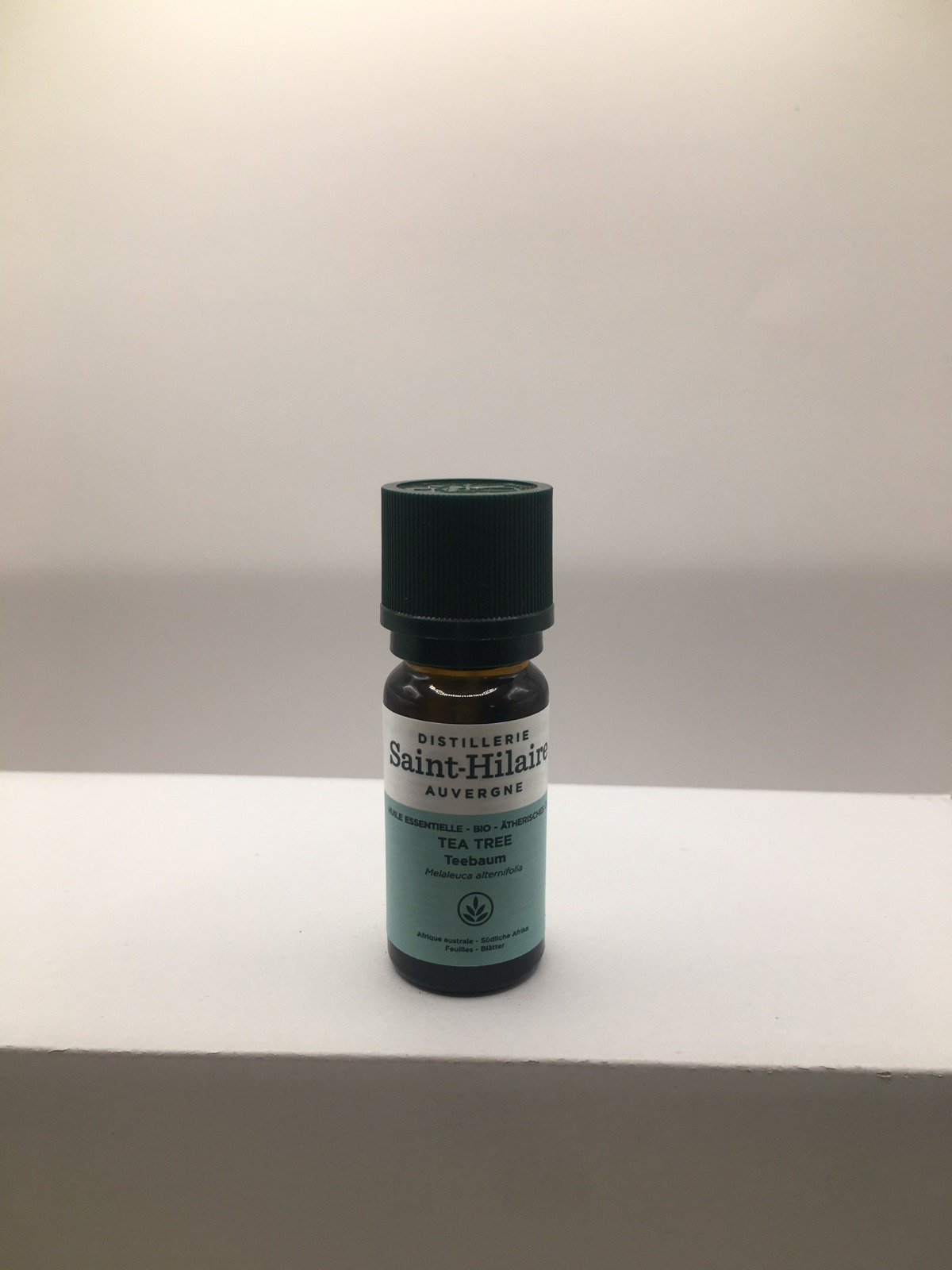
Tea tree essential oil: freshness and everyday skin hygiene
A crisp, clean scent in a 10 ml bottle distilled from the leaves: tea tree esse…
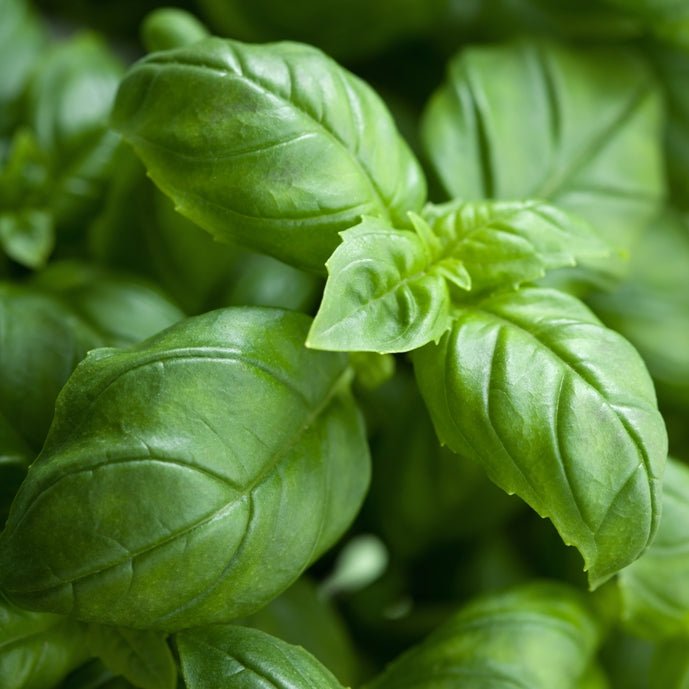
Tropical basil essential oil: a fresh herbal note for your home
Fresh, green and aromatic: tropical basil is diffused to create a relaxing atmo…
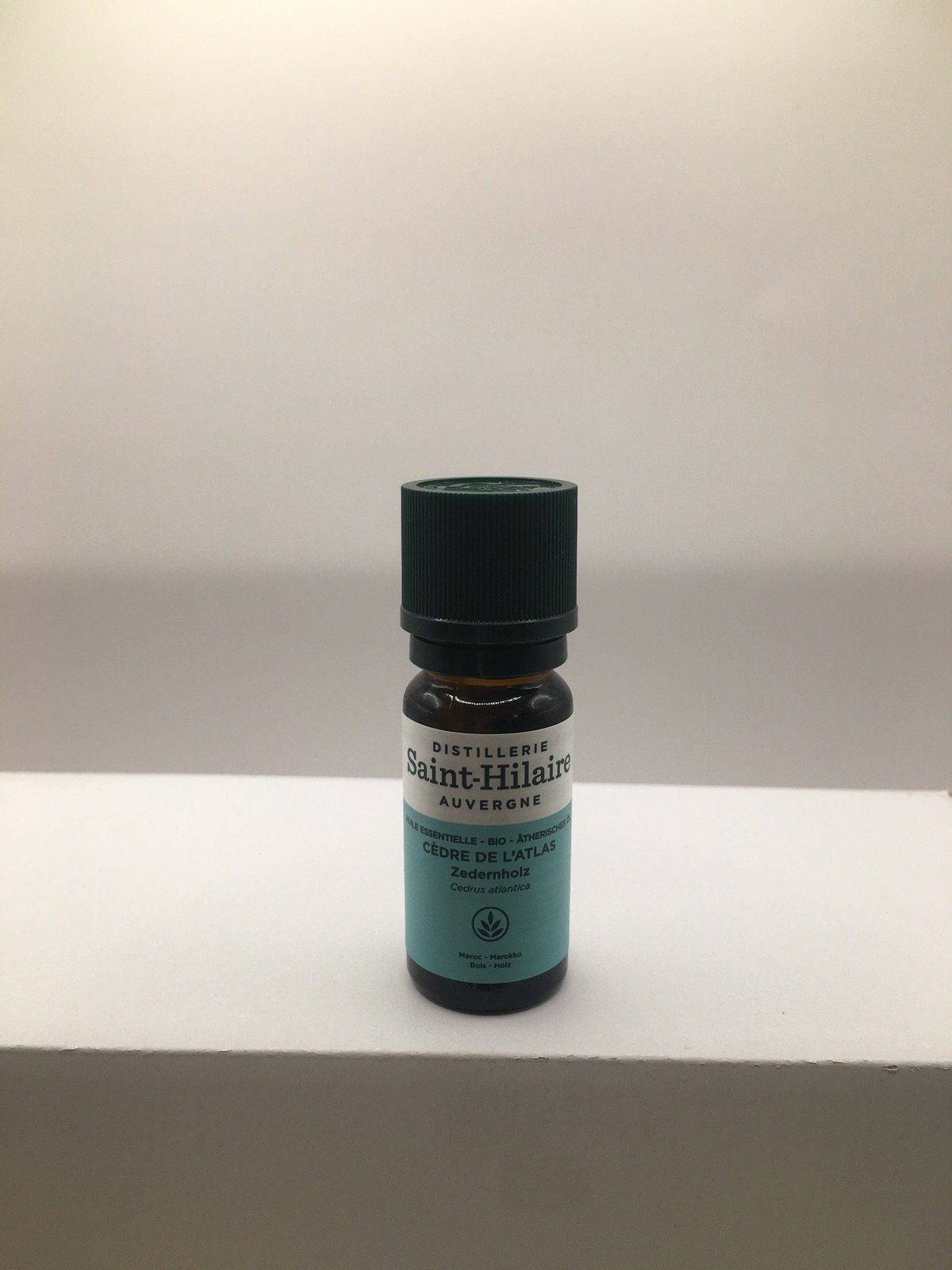
Atlas cedar essential oil: a warm, woody scent for your home
Woody, warm and enveloping: Atlas cedar scents your home, enriches a diluted ma…
Comments (0)
Leave a Comment
No comments yet. Be the first to share your thoughts!