Sage essential oil: a herbal scent to use with restraint
Herbal, warm and slightly camphor-like: common sage essential oil has a scent with character. Classed among the ketones, it is kept for very diluted aromatic use, with advice.
Contents
In cottage gardens and vegetable patches alike, sage with its soft, silvery-green leaves has always had its place. Its essential oil, however, calls for far more restraint than the herb you add to a dish. It is an oil worth understanding before you use it: here is why, and how to enjoy its scent.
What is common sage?
Common sage, Salvia officinalis, is a small shrub of the Lamiaceae family, related to rosemary, thyme and lavender. Native to the Mediterranean basin, it has been cultivated since Antiquity. Its Latin name is thought to come from salvare, "to save": a hint of the place it held in European traditional use, long before modern aromatherapy.
According to the product sheet, our common sage essential oil offers a herbal, aromatic scent. In our classification, common sage (Salvia officinalis) is listed among the ketones. This chemical family calls for particular care: oils rich in ketones are dosed sparingly and are not suitable for everyone. Our guide to essential oil families helps you see where sage stands compared with other oils.
How to use it
Our druggist keeps it for very diluted aromatic use, for its herbal note and the pleasure of a scent linked to traditional well-being. In practice:
- To scent a room, use a single drop, ideally mixed with gentler oils chosen with us, in a suitable diffuser.
- Limit diffusion to a few minutes, with no children, pregnant women or pets in the room, then air it.
- For application on the skin or any other use, ask for advice at the drugstore first: this is not an oil to use at random.
If you simply like the smell of sage, think of the fresh plant too: a few crushed leaves in a bunch of garden herbs already give a lovely aromatic note, with no special precautions needed.
Choosing the right bottle
Do not confuse common sage with clary sage (Salvia sclarea), a different species whose essential oil has a different composition and scent. Always check the Latin name on the label.
Precautions
For informed adults only. Never swallow, never apply undiluted. Not recommended during pregnancy and breastfeeding, for children or for people prone to epilepsy. Ask for advice if you are receiving medical treatment. Avoid contact with the eyes. Keep the bottle tightly closed, away from light and out of the reach of children.
Our products
- Common sage essential oil – herbal, aromatic scent.
- Common sage (Salvia officinalis) – classed among the ketones in our range.
Read the documentation tab on each product page before your first purchase.
In short
Common sage is an oil for the knowledgeable: its scent is superb, but its chemical family demands great care. Before buying a bottle, talk it over with our team at Droguerie Perusset in Yverdon-les-Bains: we will help you decide whether it suits you, or suggest a gentler alternative.
Products mentioned in this article
The information in this article comes from the documentation of these products. Check it before use.
Related Articles
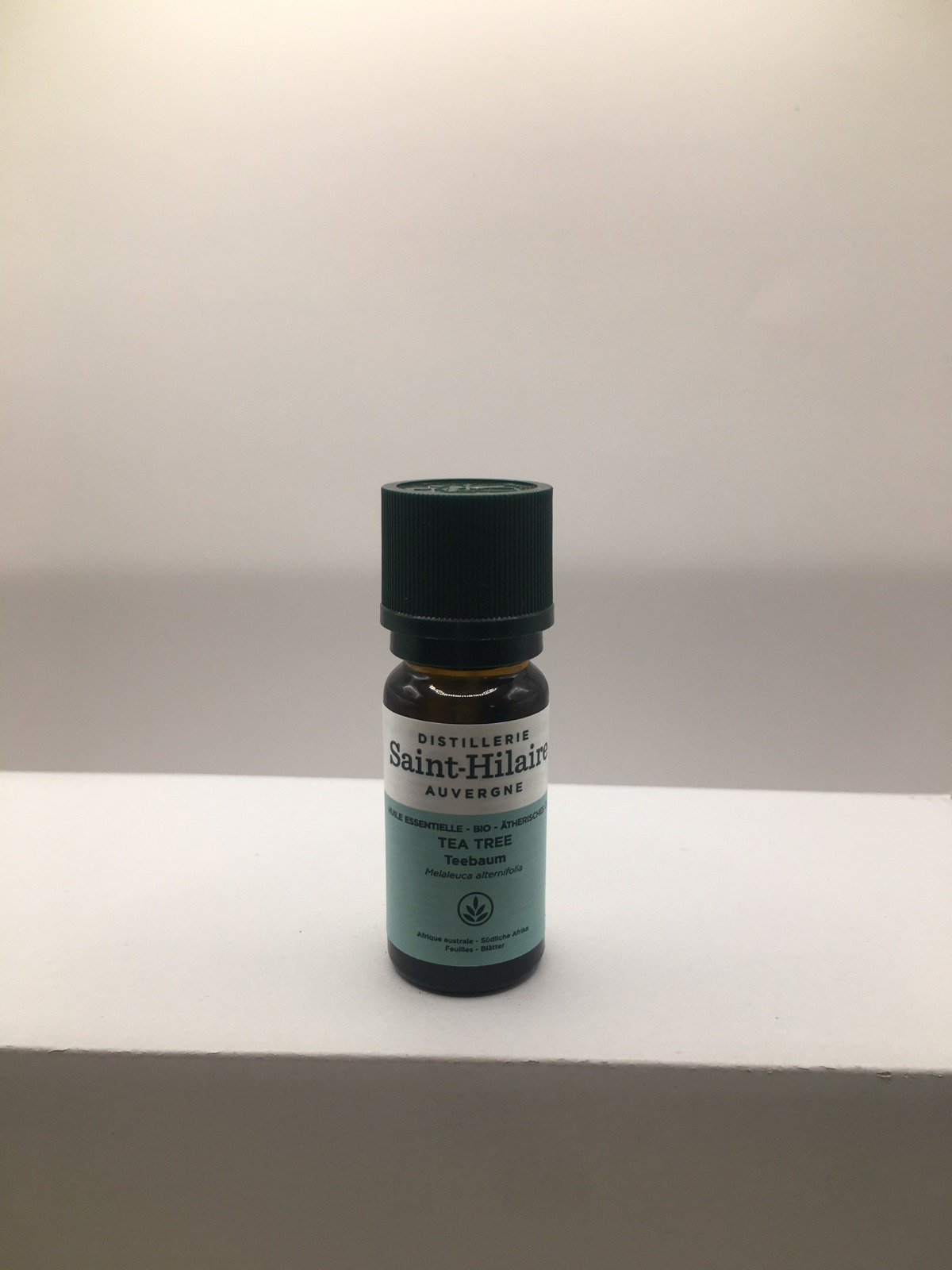
Tea tree essential oil: freshness and everyday skin hygiene
A crisp, clean scent in a 10 ml bottle distilled from the leaves: tea tree esse…
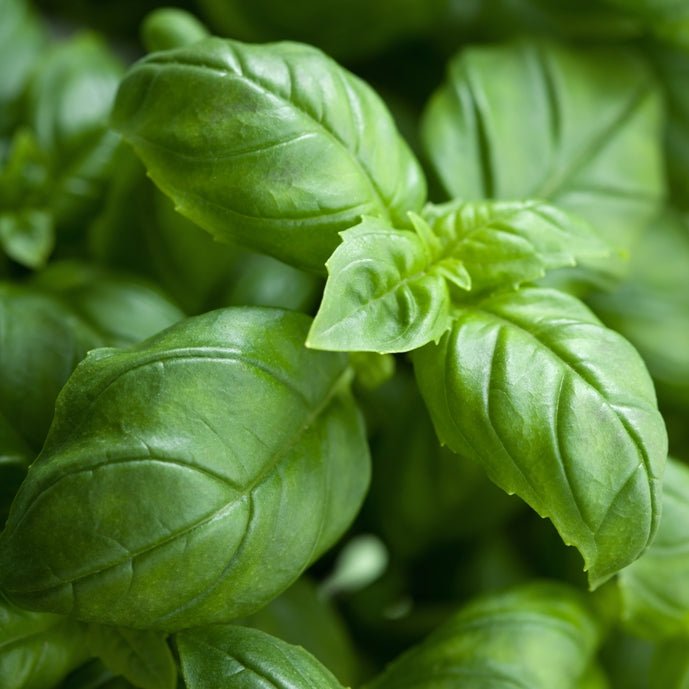
Tropical basil essential oil: a fresh herbal note for your home
Fresh, green and aromatic: tropical basil is diffused to create a relaxing atmo…
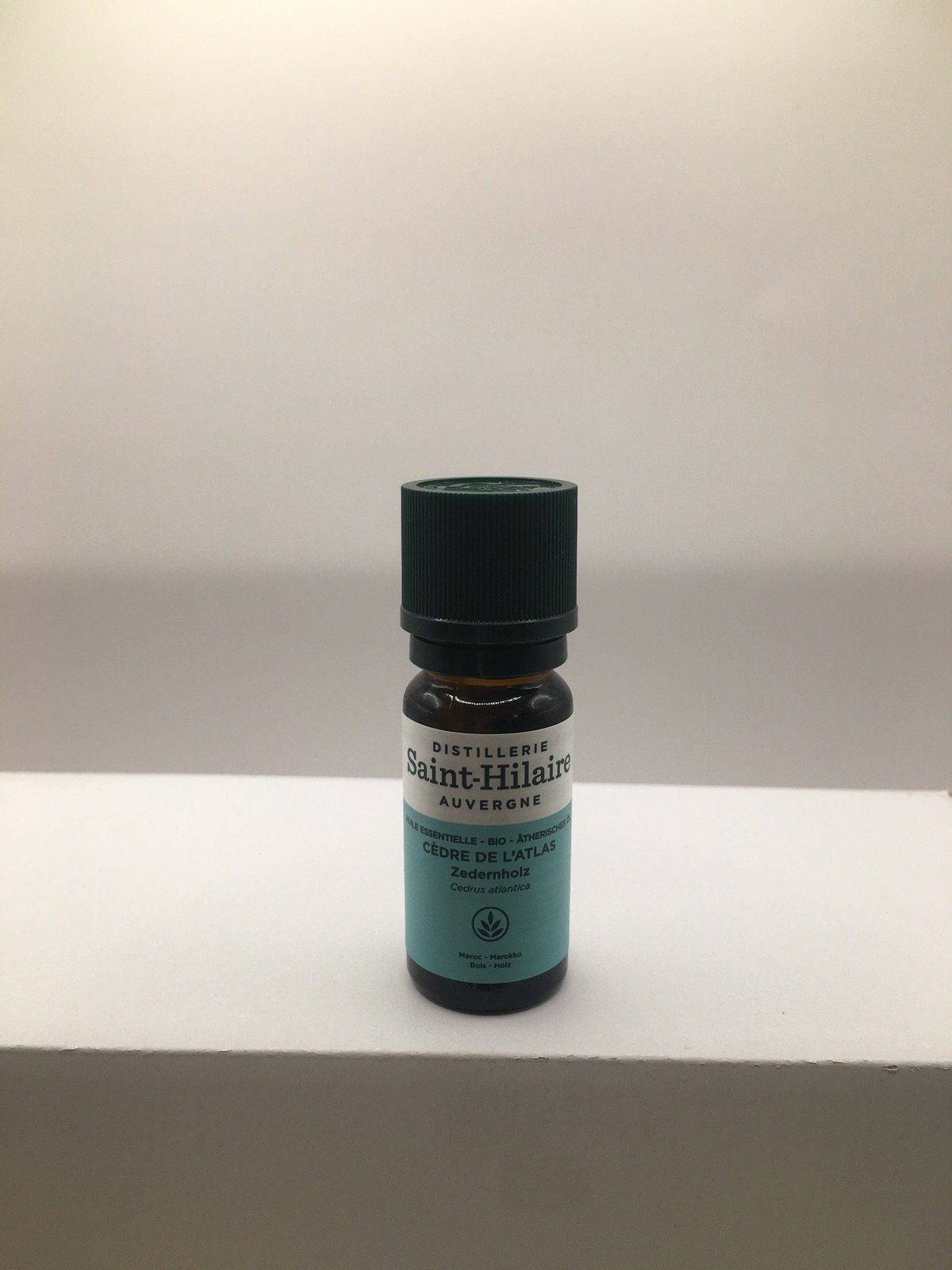
Atlas cedar essential oil: a warm, woody scent for your home
Woody, warm and enveloping: Atlas cedar scents your home, enriches a diluted ma…
Comments (0)
Leave a Comment
No comments yet. Be the first to share your thoughts!