Rosemary cineole essential oil: a bright scent for everyday
Fresh, camphor-like and distinctly aromatic: rosemary cineole scents a study or completes a diluted cosmetic routine. What its chemotype means, how to use it and which safety rules apply.
Contents
Rub a sprig of rosemary between your fingers and the scent of sun-warmed Mediterranean scrubland comes straight back. Its essential oil captures the plant's freshest, almost camphor-like note, one many people enjoy when the day calls for a bit of energy. You still need to know which rosemary you are dealing with: the word "cineole" on the label matters.
What is rosemary cineole?
Rosemary, Rosmarinus officinalis, is an evergreen shrub of the Lamiaceae family, like thyme, lavender and sage. It grows wild around the Mediterranean and does well in our gardens too, provided it is sheltered from frost.
A single species can yield essential oils of different composition depending on soil and climate: these are called chemotypes. The best-known rosemary chemotypes are cineole, camphor and verbenone. The name therefore tells you the dominant molecule, and that is what guides the way the oil is used: one rosemary is not the same as another.
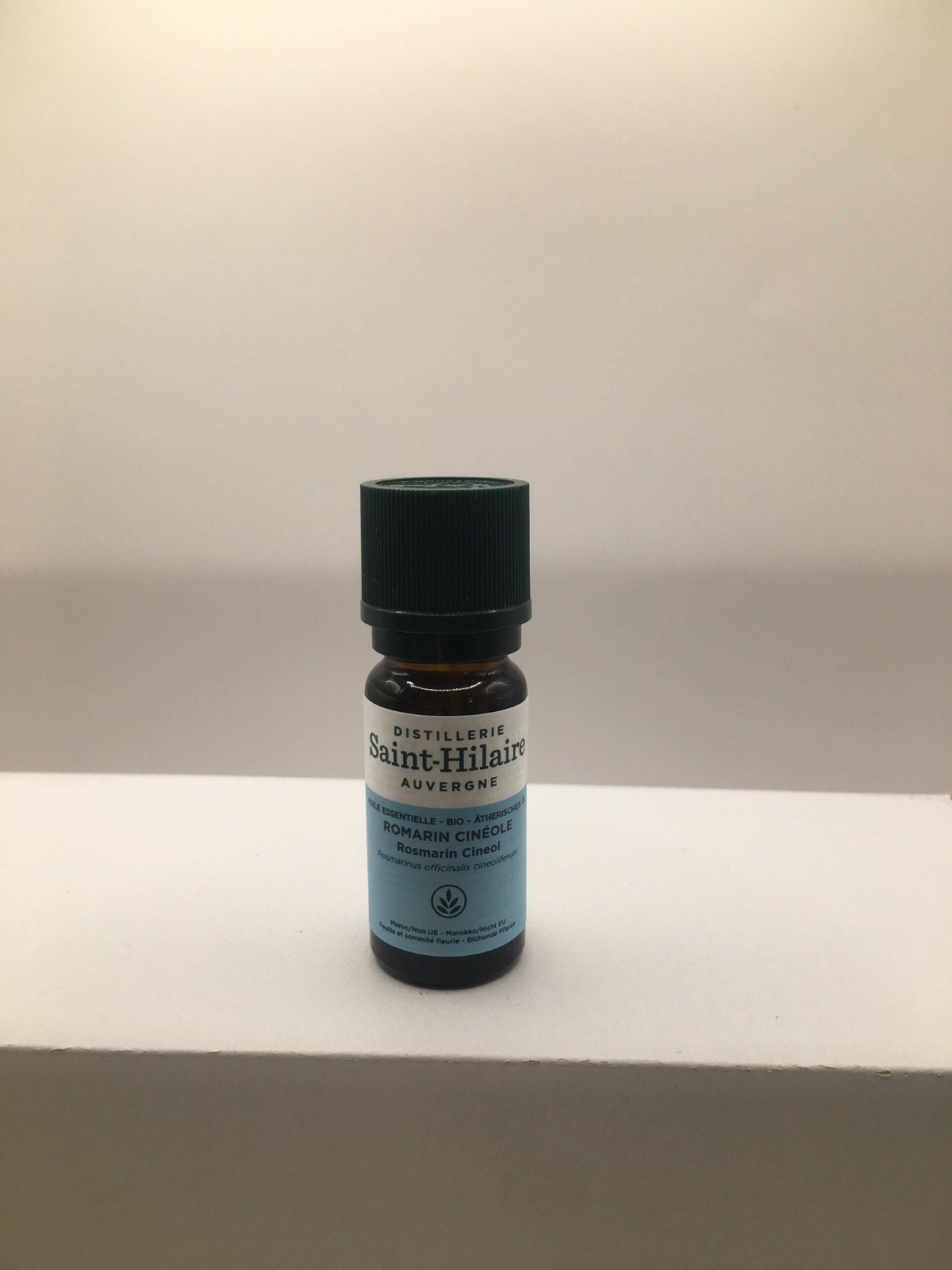
According to the product sheet, our rosemary cineole is an essential oil "with a fresh, aromatic scent". The organic version in a 10 ml bottle is described on its sheet as a "fresh, camphor-like aroma, suited to aromatic uses". In our classification this rosemary is listed among the ketones; to find out what these chemical families imply, read our guide to essential oil families.
How to use it
Our druggist recommends it for diffusion or for diluted cosmetic use.
In a diffuser
- Put a few drops into a suitable diffuser, following the device's instructions.
- Diffuse for 15 to 20 minutes, then switch off and air the room: an invigorating atmosphere does not need non-stop diffusion.
- Its scent blends well with citrus oils such as lemon, for a rounder note in an office or study.
In cosmetics, always diluted
- Add one drop to a tablespoon of vegetable oil for a fragrant shoulder and neck massage.
- For hair: one drop in a hazelnut-sized amount of neutral shampoo, at the time of use, adds a fresh note to washing.
- Always test the blend in the crook of your elbow and wait 24 hours before using it for the first time.
Precautions
Before opening the bottle. Do not swallow and never apply undiluted to the skin. Avoid contact with the eyes and mucous membranes. Rosemary is an oil with a strong character: ask for advice before use during pregnancy or breastfeeding, for a child, in case of epilepsy or if you are receiving medical treatment. Keep the bottle tightly closed, away from light and out of the reach of children.
Our products
- Rosemary cineole (Rosmarinus officinalis) – fresh, aromatic scent.
- Organic rosemary cineole essential oil, 10 ml – from organic farming.
- Rosemary cineole essential oil – another presentation of the same oil.
On each product page, the documentation tab gathers the product information.
In short
Rosemary cineole is an easy aromatic companion, as long as you respect dilution and diffusion times. Not sure which chemotype to choose or what to pair it with? Come and talk it over with our team at Droguerie Perusset in Yverdon-les-Bains.
Products mentioned in this article
The information in this article comes from the documentation of these products. Check it before use.

Related Articles
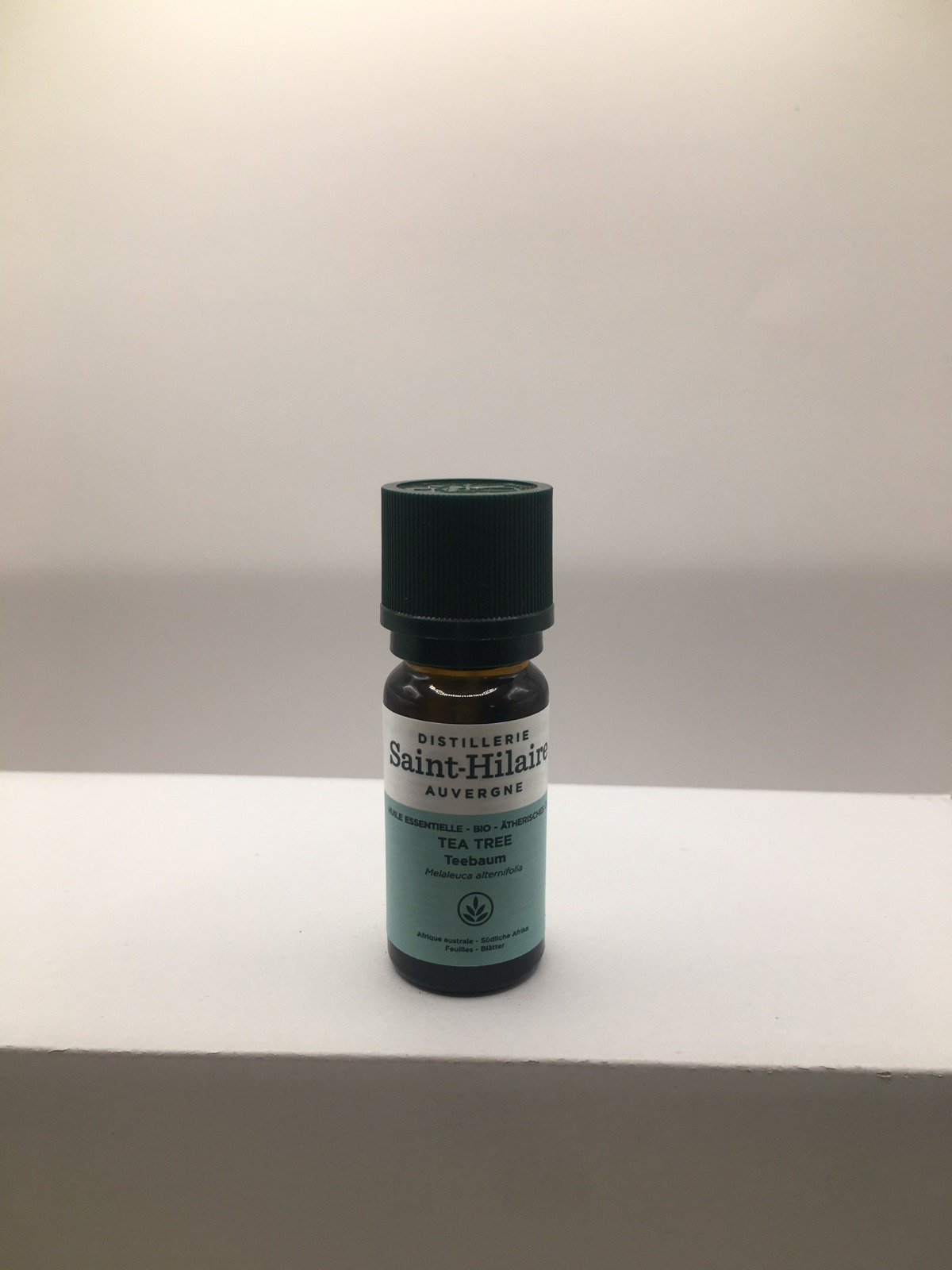
Tea tree essential oil: freshness and everyday skin hygiene
A crisp, clean scent in a 10 ml bottle distilled from the leaves: tea tree esse…

Tropical basil essential oil: a fresh herbal note for your home
Fresh, green and aromatic: tropical basil is diffused to create a relaxing atmo…
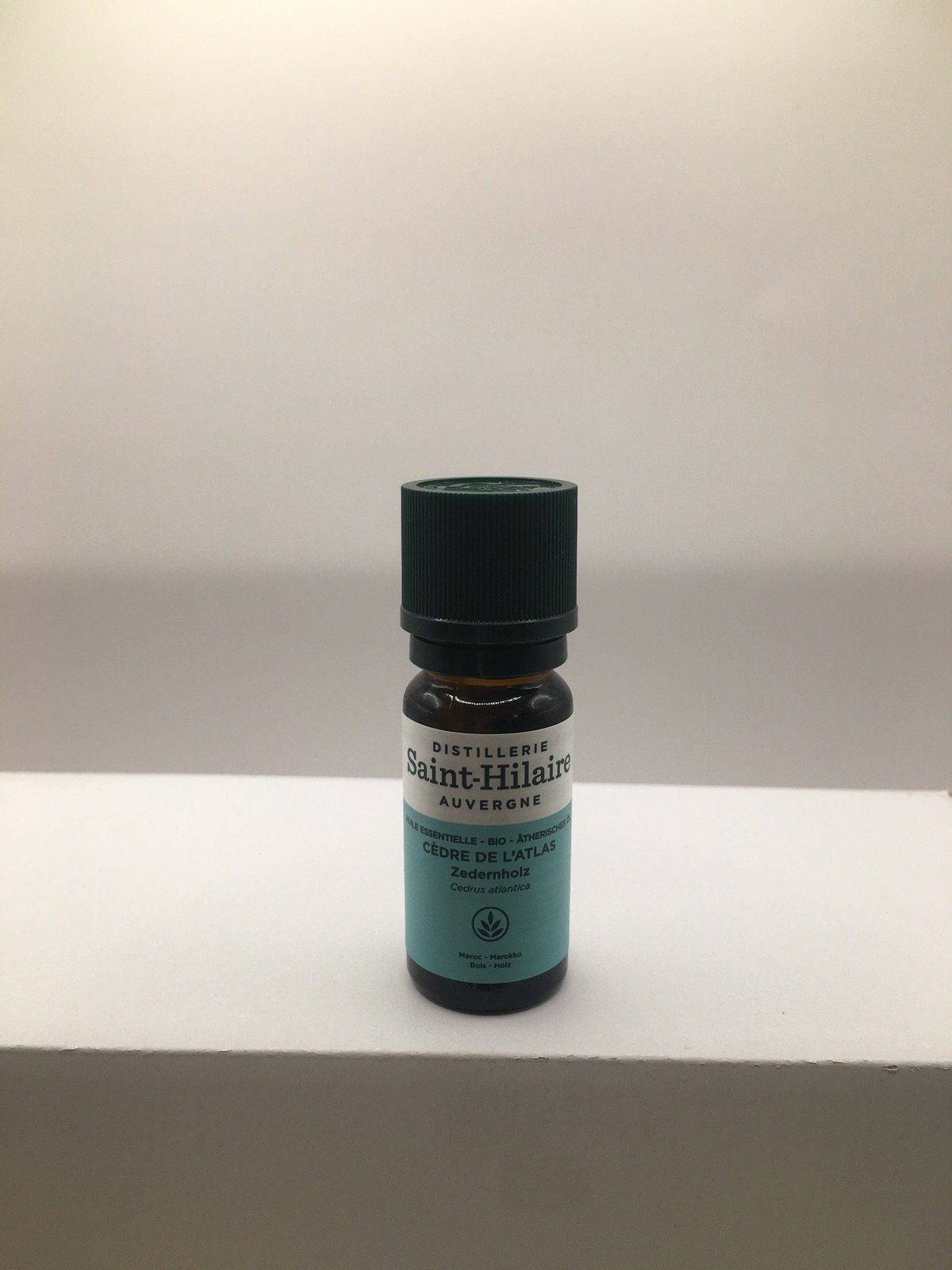
Atlas cedar essential oil: a warm, woody scent for your home
Woody, warm and enveloping: Atlas cedar scents your home, enriches a diluted ma…
Comments (0)
Leave a Comment
No comments yet. Be the first to share your thoughts!