Clove bud essential oil: a warm and spicy fragrance
Warm and spicy, distilled from the clove: this essential oil is diffused sparingly and only touches the skin when highly diluted. History, uses and safety tips.
Contents
An orange studded with cloves on the sideboard, mulled wine simmering on the stove: for many people, cloves smell of winter evenings. As an essential oil, that warm, spicy scent is packed into a bottle of just a few millilitres, highly concentrated. That is precisely why it is an oil to enjoy – but to measure out with great restraint.
What is clove?
The clove tree, Syzygium aromaticum (formerly known as Eugenia caryophyllus), belongs to the myrtle family (Myrtaceae) and originates from the Maluku Islands in Indonesia. The "clove" we use in cooking is in fact its flower bud, picked before it opens and then dried. A precious spice, it travelled for centuries along the trade routes between Asia and Europe. In several cultures cloves have also long been associated with fresh breath – which is where the "traditional oral hygiene" mentioned by our druggist comes from. This is a historical use of the spice, not a set of directions for the essential oil.
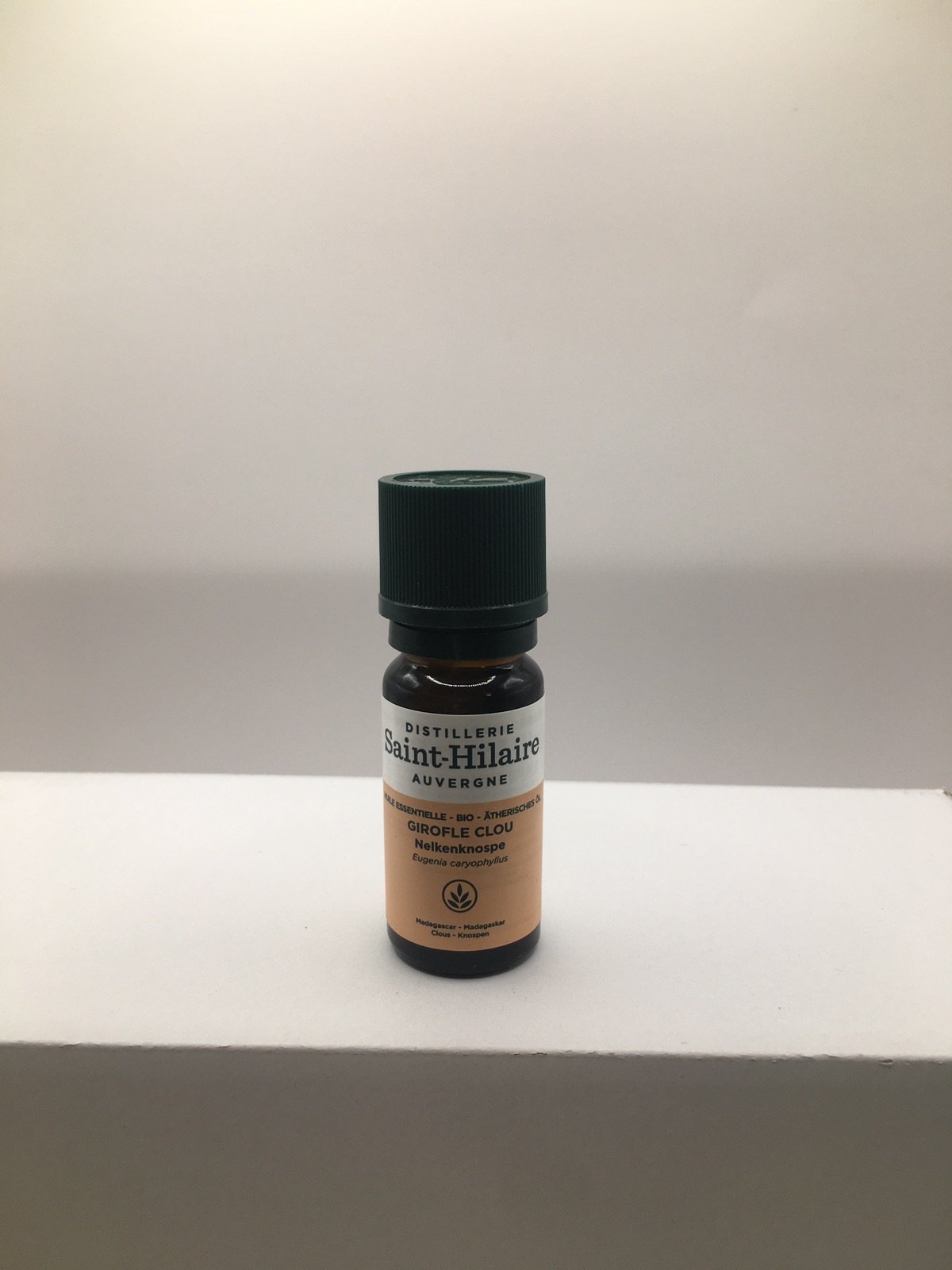
According to the product sheet, our essential oil is distilled from the clove and comes in a 10 ml bottle; its technical data read "Pharmacopée CH: yes". The sheet also states that its use requires the advice of a specialist. For an overview of the main oil families and their precautions, see our sheet on essential oil families.
How to use it
Our druggist reserves it for diffusion or very highly diluted use.
A cosy atmosphere by diffusion
- One or two drops are enough, ideally blended with a few drops of sweet orange or cedarwood to round off the scent.
- Diffuse for short periods in a spacious room, then air it.
- Do not diffuse around young children or pets without asking for advice first.
Ideas for the home
- Put a drop on a terracotta scent stone or a pine cone in the entrance hall.
- Add a drop to a potpourri of citrus peel and cinnamon sticks for the colder months.
On the skin?
Only at a very low dilution and after seeking advice: its powerful scent comes with an oil known to irritate the skin and mucous membranes. Never put it in your mouth.
Precautions
An oil to handle with care. Using this essential oil requires the advice of a specialist, as its sheet states. Never apply it neat, never swallow it and never use it in the mouth. Keep it away from the eyes and mucous membranes, and always do a patch test in the crook of your elbow before any diluted use on the skin. During pregnancy or breastfeeding, for children, or if you are on medication, ask for advice before any use. Keep the bottle closed and out of the reach of children.
Our products
- Clove bud (Syzygium aromaticum), 10 ml – distilled from the clove; read the documentation tab before use.
- Clove bud essential oil – "with a spicy, warm scent", according to its sheet.
Advice from the drugstore
Clove is one of those oils where a single drop changes the feel of a room. Used sparingly and in good company, it gives your home a festive air. To put together your winter blend, or to find out whether skin use is possible in your case, talk to our team at Droguerie Perusset in Yverdon-les-Bains.
Products mentioned in this article
The information in this article comes from the documentation of these products. Check it before use.
Related Articles
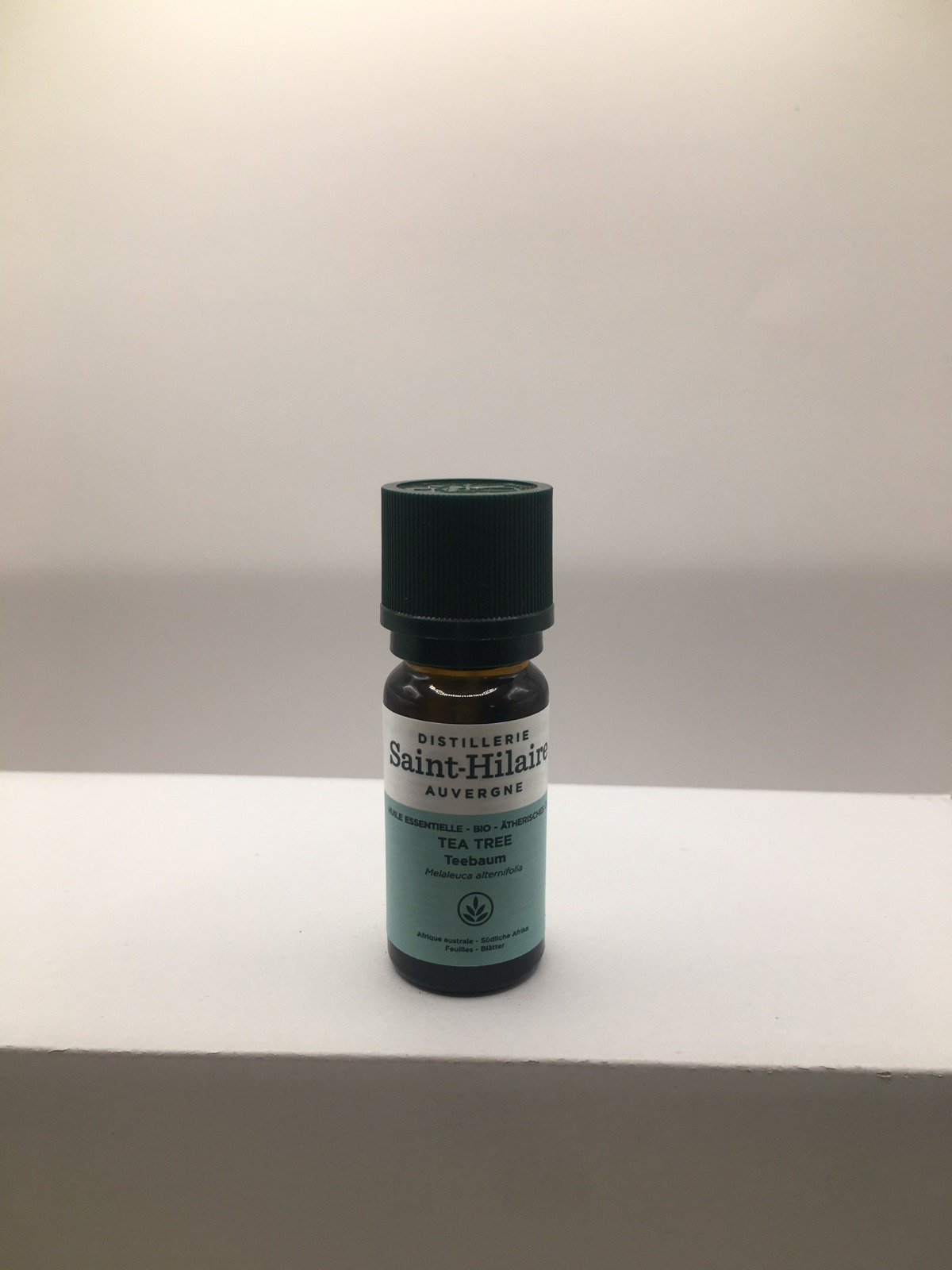
Tea tree essential oil: freshness and everyday skin hygiene
A crisp, clean scent in a 10 ml bottle distilled from the leaves: tea tree esse…
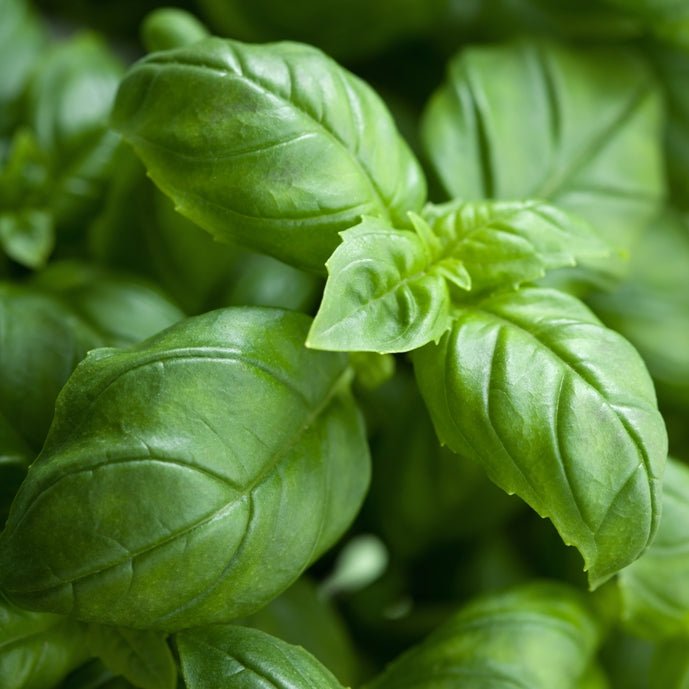
Tropical basil essential oil: a fresh herbal note for your home
Fresh, green and aromatic: tropical basil is diffused to create a relaxing atmo…
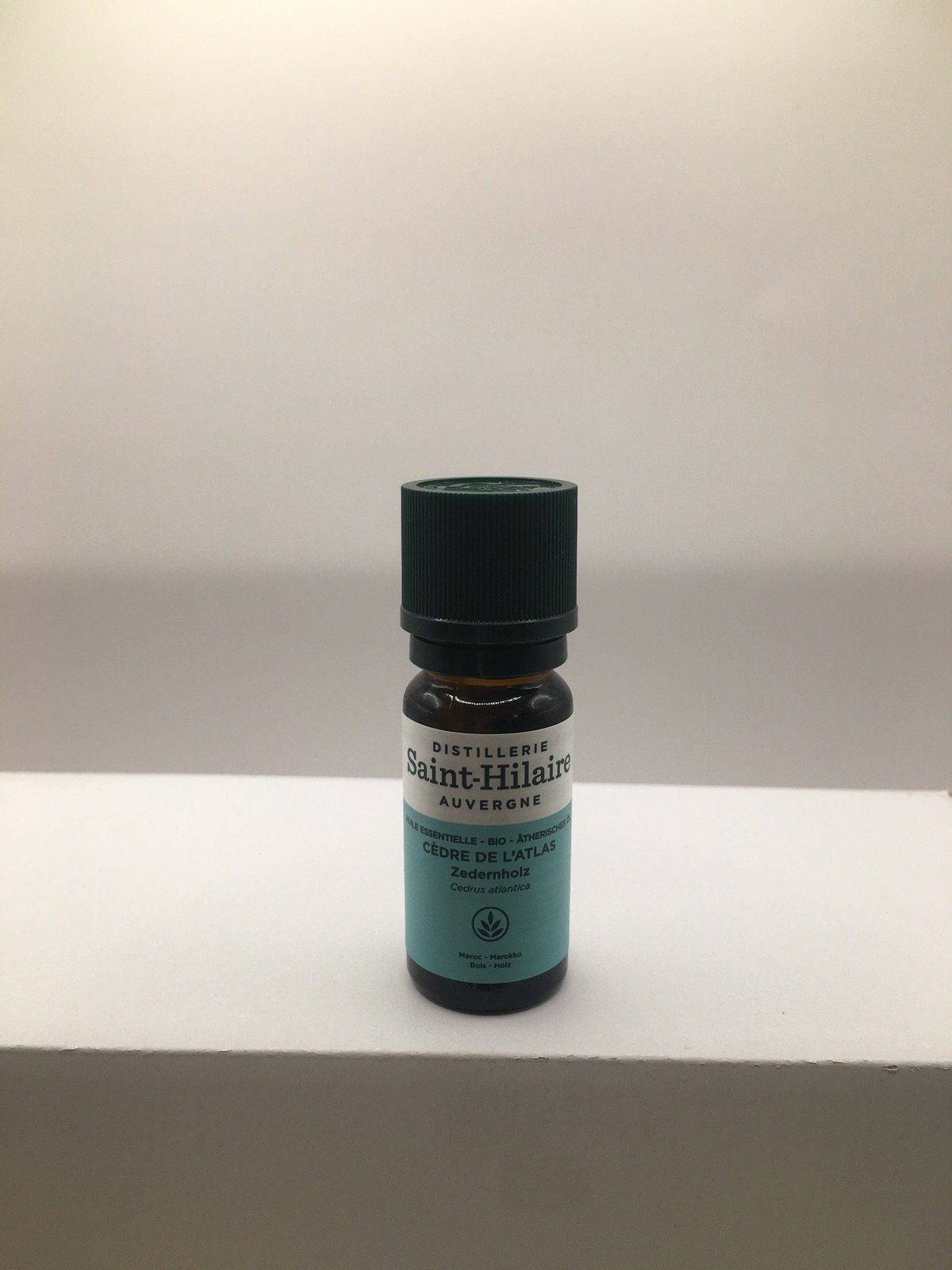
Atlas cedar essential oil: a warm, woody scent for your home
Woody, warm and enveloping: Atlas cedar scents your home, enriches a diluted ma…
Comments (0)
Leave a Comment
No comments yet. Be the first to share your thoughts!